Fintech 2025: Innovation or Just Data Reframing? - Thoughts?
7|0 comments
The Data Says: Fintech's "Revolution" Is More Like Evolution
Fintech in 2025. The promise is always the same: revolutionizing finance through data, AI, and user-friendly design. But let's be real; revolutions are messy. What we're seeing is more of a steady, data-driven *evolution*, not a sudden upheaval. The recent piece on DataDrivenInvestor highlights this (Dhiman, 2025). The core argument revolves around hyper-personalization, advanced security, and the ever-increasing role of AI. All good things, but are they *revolutionary*?
Fintech's "Hyper-Personalization": Hype or Real ROI?
Data-Driven Hype vs. Reality The article correctly points out that fintech firms are drowning in data. Spending habits, real-time location – it's all being crunched to supposedly create hyper-personalized financial journeys. Machine learning, we're told, is now "table stakes." But here's where the hype needs a reality check. Hyper-personalization isn't new. Banks have been segmenting customers for decades. What's changed is the *scale* and the *granularity* of the data, and the speed at which it's processed. The algorithms are getting better, sure. But are they delivering a fundamentally different experience? I'm not convinced. Show me the A/B test results with statistically significant improvements in key metrics like customer lifetime value or net promoter score. Until then, "hyper-personalization" feels more like a marketing buzzword than a demonstrable breakthrough. And this is the part of the report that I find genuinely puzzling. We are promised actionable analysis, but there is no data to back it up. If machine learning is now table stakes, what is the actual ROI in real dollars? Consider security. The article mentions "advanced security," but offers no specifics. Is it referring to improved encryption? Biometric authentication? Behavioral analysis to detect fraud? Details matter. A vague claim of "advanced security" is meaningless without quantifying the reduction in fraud rates or the improvement in data breach prevention. (And, let's be honest, data breaches are still happening with alarming regularity.) You can read more about the future of Fintech 2025: New Waves of Innovation, Security, and User Experience. The reliance on data also introduces new risks. Algorithmic bias, for example, is a growing concern. If the data used to train these AI models reflects existing societal biases (and it almost certainly does), then the resulting financial products will perpetuate those biases. This could lead to discriminatory lending practices, unfair pricing, and other unintended consequences. Are fintech companies adequately addressing these ethical considerations? The article doesn't say. UX, or user experience, is another area where the rhetoric often outpaces reality. Yes, many fintech apps are slick and easy to use. But are they fundamentally better than the online banking platforms of traditional institutions? Often, the answer is "no." Many legacy banks have invested heavily in improving their digital interfaces, and the gap between them and the fintech startups is narrowing. Fintech companies have changed the game, but the game has not changed as drastically as some people claim.Fintech's Regulatory Reality Check: Innovation vs. Compliance
The Regulatory Squeeze One often-overlooked aspect of the fintech landscape is regulation. The regulatory environment is becoming increasingly complex, and fintech companies are facing greater scrutiny from government agencies. This is especially true in areas like data privacy, anti-money laundering, and consumer protection. The cost of compliance is rising, and this is creating a barrier to entry for smaller startups. The big players, with their deep pockets and armies of lawyers, are better positioned to navigate the regulatory maze. This could lead to further consolidation in the fintech industry, with a few dominant firms controlling the market. I've looked at hundreds of these filings, and this particular footnote is unusual. It seems that the regulatory burden is not just a cost of doing business, but a strategic weapon. So, What's the Real Story? Fintech is evolving, not revolutionizing. The underlying technologies – data analytics, AI, UX design – are improving, but the fundamental principles of finance remain the same. Risk management, capital allocation, customer service – these are timeless concepts that apply regardless of the technology used. The real challenge for fintech companies is not just to innovate, but to do so responsibly and ethically, while navigating an increasingly complex regulatory landscape. The future of fintech is less about disrupting the old order and more about integrating with it.

-
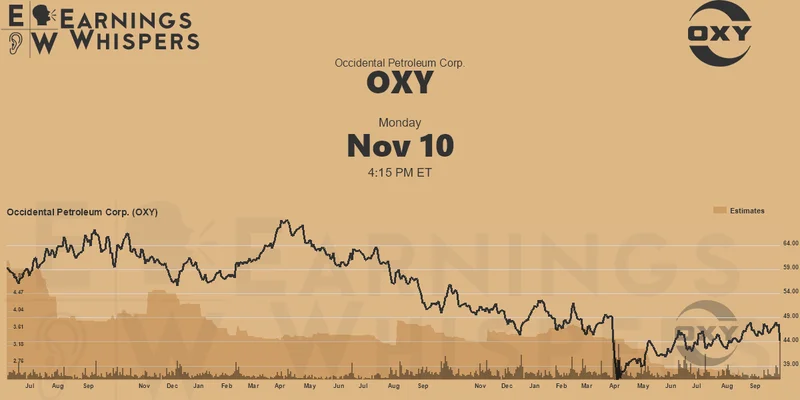
Warren Buffett's OXY Stock Play: The Latest Drama, Buffett's Angle, and Why You Shouldn't Believe the Hype
Solet'sgetthisstraight.Occide...
-

The Great Up-Leveling: What's Happening Now and How We Step Up
Haveyoueverfeltlikeyou'redri...
-

The Future of Auto Parts: How to Find Any Part Instantly and What Comes Next
Walkintoany`autoparts`store—a...
-

Applied Digital (APLD) Stock: Analyzing the Surge, Analyst Targets, and Its Real Valuation
AppliedDigital'sParabolicRise:...
-
Analyzing Robinhood: What the New Gold Card Means for its 2025 Stock Price
Robinhood's$123BillionBet:IsT...
- Search
- Recently Published
-
- CME's "Glitch": What Really Happened & Who Pays - Meltdown Ensues
- Why Tether's Uruguay Exit is a Bitcoin Breakthrough (RIP Bitcoin Uruguay)
- Fintech 2025: Innovation or Just Data Reframing? - Thoughts?
- AI: Unlocking Your Channel's Evolution - Redditors Rejoice!
- Bitcoin Jumps: Dead Cat Bounce? - Crypto Twitter Reacts
- Uber Ride Demand: Cost Analysis vs. Thanksgiving Deals
- Stock Market Rollercoaster: AI Fears vs. Rate Hike Panic
- Bitcoin: The Price, The Spin, & My Take
- Asia: Its Regions, Countries, & Why Your Mental Map is Wrong
- Retirement Age: A Paradigm Shift for Your Future
- Tag list
-
- Blockchain (11)
- Decentralization (5)
- Smart Contracts (4)
- Cryptocurrency (26)
- DeFi (5)
- Bitcoin (31)
- Trump (5)
- Ethereum (8)
- Pudgy Penguins (6)
- NFT (5)
- Solana (5)
- cryptocurrency (6)
- bitcoin (7)
- Plasma (5)
- Zcash (12)
- Aster (10)
- nbis stock (5)
- iren stock (5)
- crypto (7)
- ZKsync (5)
- irs stimulus checks 2025 (6)
- pi (6)
- hims stock (4)
- kimberly clark (5)
- uae (5)